2026-05-26
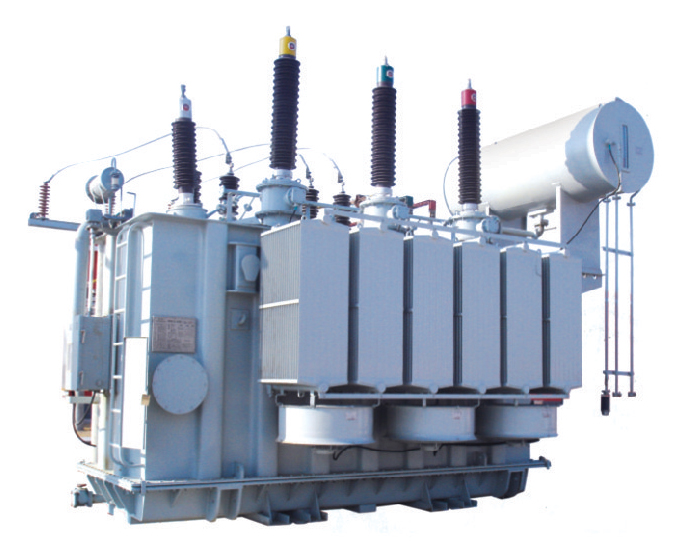
Natural Ester Insulating Oil Transformers: The Eco-Friendly Alternative for Future Oil-Immersed Transformers
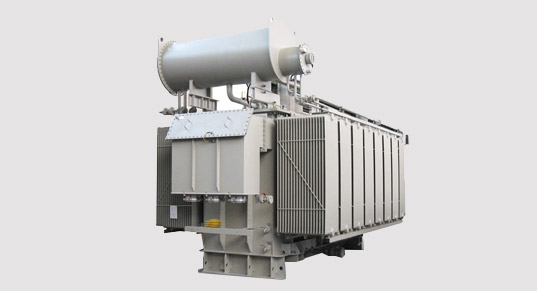
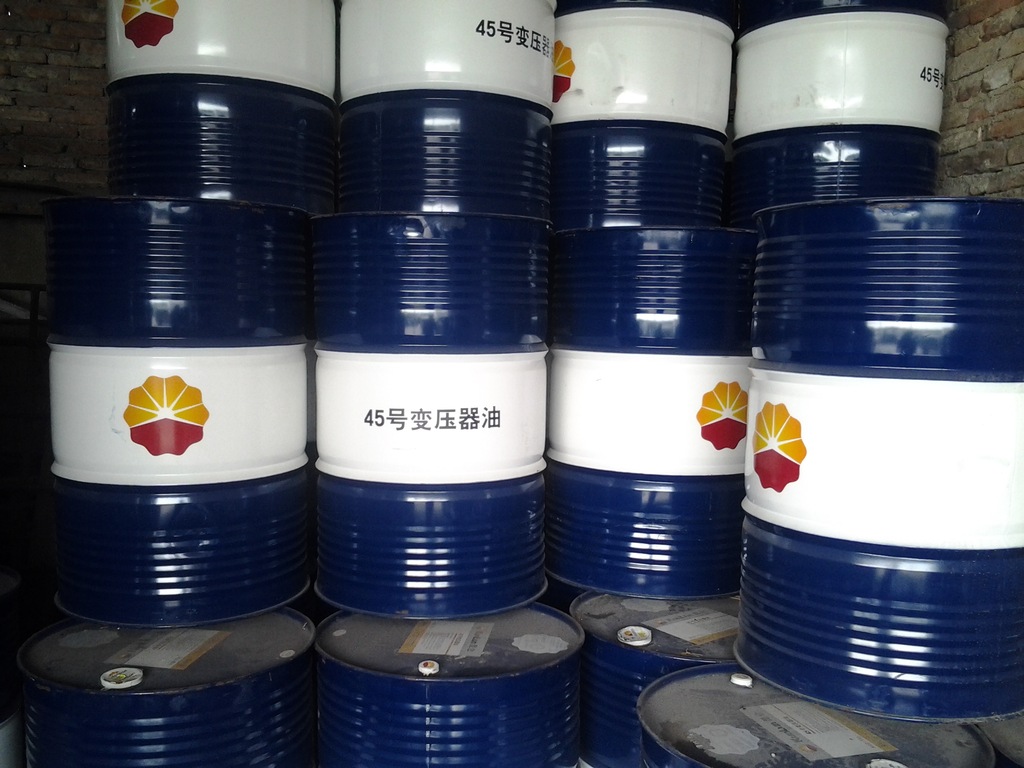
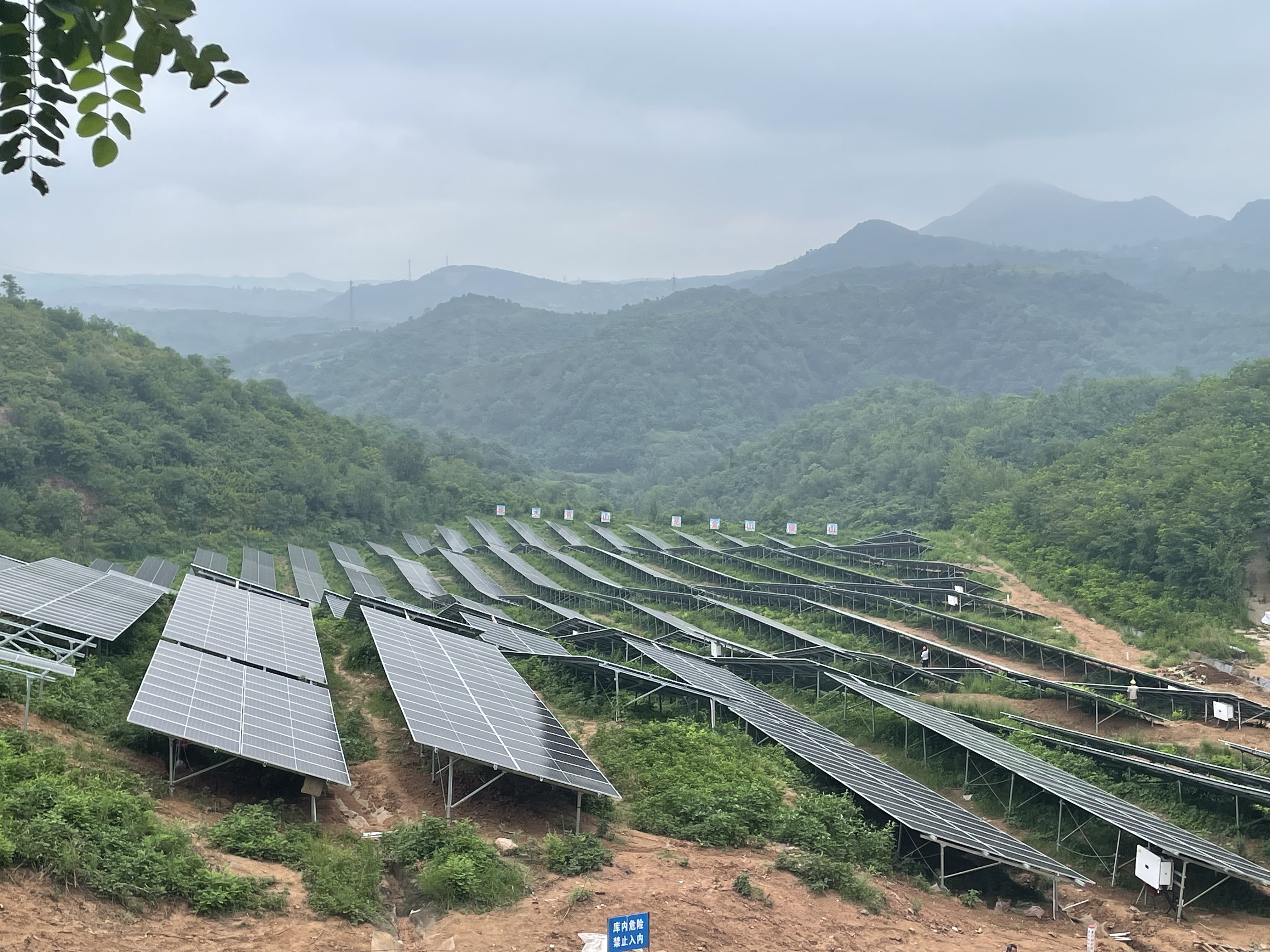
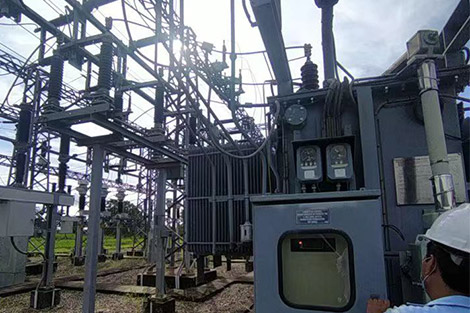
Natural ester insulating oil transformers – using vegetable oils (soybean, rapeseed, etc.) instead of traditional mineral oil – offer high fire safety, biodegradability, and extended equipment life. They are becoming the preferred choice for urban distribution, renewable energy projects, and high�safety applications. 1. Why Replace Traditional Mineral Oil? Mineral oil has a low flash point (150–170°C), is non�biodegradable, pollutes the environment in case of leakage, and has limited thermal rating. Stricter environmental regulations and growing safety concerns have driven the adoption of natural ester fluids. 2. Natural Ester vs. Mineral Oil – Key Comparison Parameter Natural Ester Mineral Oil Flash point >300°C 150–170°C Biodegradability (21 days) >97% ~30% Insulation paper life extension 5–8 times Baseline CO₂ emission (per 1,000 L) ~20 kg ~1,111 kg Temperature class (with high�temp paper) 130°C 110°C 3. Core Advantages 1.Fire safety – Flash point >300°C, self�extinguishing, meets K�class fire standards; ideal for hospitals, data centers, underground substations, and crowded areas. 2.Environmental friendliness – Made from renewable resources, >97% biodegradation in 21 days, and lifecycle carbon emissions only 1.8% of mineral oil. 3.Extended service life – Strong moisture absorption ability slows insulation paper aging by 5–8 times, extending transformer life by over 30%. 4.High overload capability – Operates continuously at...